This page is general relationship and wellbeing writing, not therapy, diagnosis, treatment, crisis support, legal advice, or a safety plan. Use qualified help for persistent distress, trauma, abuse, coercion, threats, self-harm, violence, or urgent safety concerns.
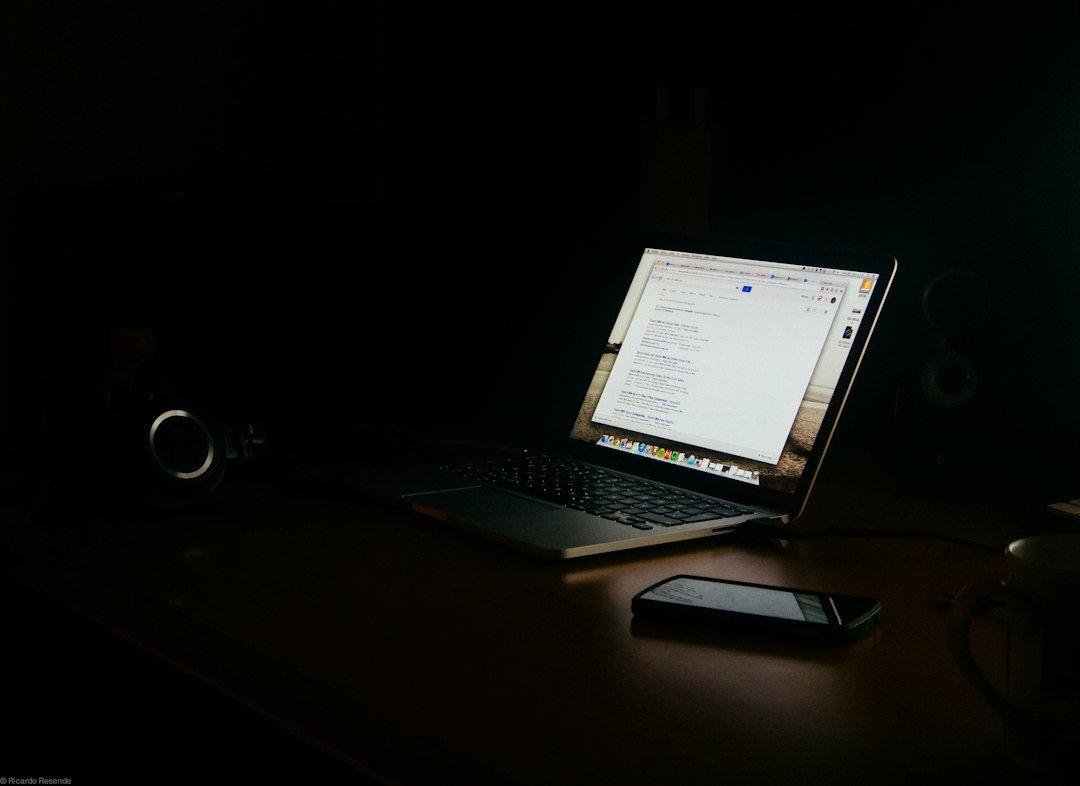
Illustrative external photograph of an evening work desk; it is not a record of a particular employee, message or workplace dispute.
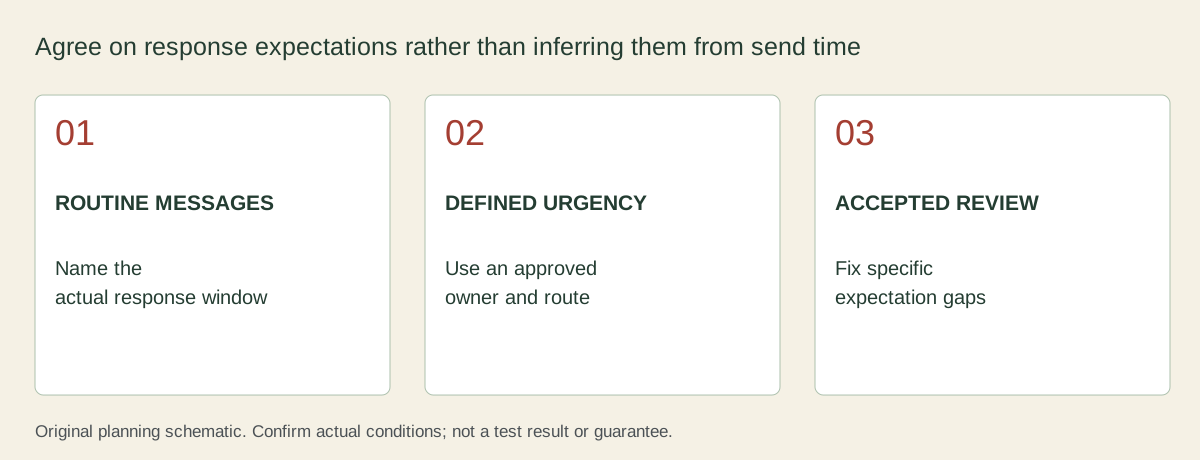
For boundaries with coworkers after hours, a message agreement separates when people may send routine messages from when someone is expected to read or answer them. Agree on normal response windows, a genuine urgent route and any role-specific coverage before treating silence as a problem.
This is a team communication method. Contracts, workplace policies, on-call arrangements and local law still need to be considered separately.
Describe the ambiguity
Start with an observable example: routine messages arrive after one person's workday, and the recipient cannot tell whether a response is expected immediately. Do not assume the sender intended to demand extra work, or that every late message is harmless.
Different schedules and time zones can explain sending times without resolving response expectations. The agreement needs to address both.
The work communication and boundaries guides address related workplace pressures; this agreement needs the people responsible for the actual response expectations.
Define routine and urgent routes
| Situation | What the team should agree |
|---|---|
| Routine request | Where it is sent and the appropriate response window |
| Work needed by a specific date | How the deadline is stated and negotiated |
| Genuine urgent incident | Who is responsible and the approved contact route |
| Recipient unavailable | Which agreed backup is contacted |
| On-call role | Its actual coverage terms and escalation instructions |
Avoid labeling every deadline “urgent.” Also avoid creating an informal on-call obligation for someone whose role does not include it. A communication document cannot settle contractual or legal questions by itself.
Ask for a workable agreement
An original starting script is:
I want to make sure I respond appropriately. For routine messages sent after my working day, can we agree that I review them in my next working period? For incidents that need immediate attention, which established contact route and responsible role should we use?
Adapt the language to your situation. If you are not authorised to change the team's process, bring the proposal to the appropriate manager. A private decision to stop responding does not establish a shared agreement.
Record the details people otherwise guess
Specify whose working hours apply, including time zones where relevant. State whether a routine message needs an acknowledgement and what the team means by the next working period. Check planned absence, part-time schedules and existing coverage arrangements.
The Acas discussion of wellbeing when working from home provides UK workplace context for discussing work patterns and support. The scripts in this article are original practical examples, not a description of a universal right to disconnect.
## Boundaries with coworkers: four after-hours situations
These examples are proposed conversation starters, not instructions to ignore an employer's policy or an agreed on-call duty. Replace the example response windows and channels with ones the responsible people actually accept. Ask the manager to resolve conflicting expectations rather than expecting one coworker to create a team-wide rule.
| Situation | Proposed wording | What needs agreement |
|---|---|---|
| Routine message after a work period | “I may send this now because of my schedule. I do not need a reply before your next agreed work period.” | Recipient's schedule, actual deadline and how delayed sending behaves |
| Defined urgent incident | “This meets our agreed incident criteria. I am contacting the designated on-call role through the incident route.” | Urgency criteria, duty owner and backup; not merely an urgent label |
| Planned leave | “I am away during these dates. The accepted cover for this task is this role through this approved channel.” | Cover's acceptance, decision limits and a route if cover is unavailable |
| Shift or time-zone handoff | “The next action and owner are in the handoff record. My shift ends at the agreed time.” | Outstanding task, owner, deadline with time zone and escalation route |
A sender's convenience and a recipient's response obligation are different fields. Record both. A footer stating “reply when convenient” does not override a conflicting deadline or repeated requests from someone who controls the recipient's work.
Copy an agreement record without exposing private details
| Field | Agree explicitly |
|---|---|
| Scope | Which team, roles and channels this covers |
| Ordinary response expectation | Working period or service window, including part-time schedules |
| Urgent route | Criteria, accepted duty owner and backup |
| Leave and handoff | Accepted cover and location of approved task notes |
| Authority | Who resolves exceptions or conflicting instructions |
| Review | Agreed trial date and trigger for revisiting the arrangement |
Use role names in shared instructions where personal numbers are unnecessary. Store sensitive contacts only where the organisation permits. Do not add a colleague as leave cover without asking them and the appropriate work owner.
Check what changed before blaming someone
During a trial, record the particular mismatch: the deadline omitted a time zone, an incident was sent only in a muted channel, or no one had accepted the backup role. Fix that issue with the people who control the work.
If a person repeatedly presses for responses outside the accepted arrangement, keep a factual record and use the appropriate management, HR or representative route. Avoid diagnosing intentions from message timestamps alone. This communication worksheet cannot resolve understaffing, change a contract or establish a universal legal right to disconnect.
## Make the agreement visible in everyday use
Use the agreed channel and deadline labels consistently. If the team uses delayed sending, check the tool's actual behaviour rather than assuming it solves expectations on its own. An email footer can remind people of an agreement, but it cannot replace one.
Try the arrangement for an agreed period and note specific problems. Was an urgent request sent through the routine channel? Did a deadline fail to account for different schedules? Adjust those details with the responsible people.
If workload or pressure remains unreasonable, use the appropriate management, HR, representative or local advice route. Clear messaging can expose a workload problem; it cannot create capacity that the team does not have.
When the request is more work than you can take on, use a clear capacity conversation at work alongside the response agreement. For the end of your own work period, leaving work emotion at work addresses a separate personal reset; it does not change the team's accepted duties.
Download the editable after-hours message agreement. Treat it as a proposal until the responsible people accept the actual roles, response windows and exception route.